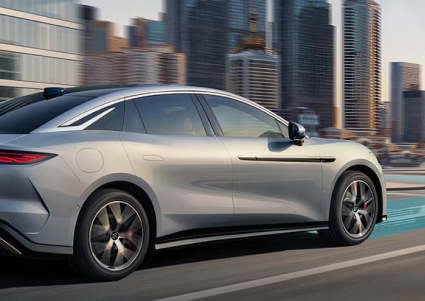
The automotive industry is undergoing a massive transformation as electric vehicle startups challenge traditional automakers. Companies like Rivian, Nio, and Lucid Motors are introducing fresh designs, cutting-edge technology, and unique business models that appeal to modern consumers. Unlike legacy manufacturers, these startups are more agile, often focusing on innovation such as battery swapping, direct-to consumer sales, or subscription-based EV ownership. Their presence is pushing established brands to accelerate their transition to electric fleets. Investment in these startups has grown significantly, showing strong market confidence in the EV revolution. As competition increases, consumers benefit from more choices, better technology, and falling prices. Ultimately, these new players are not just competing—they are reshaping the future of mobility worldwide.
Month: July 2025
EV Charging Stations
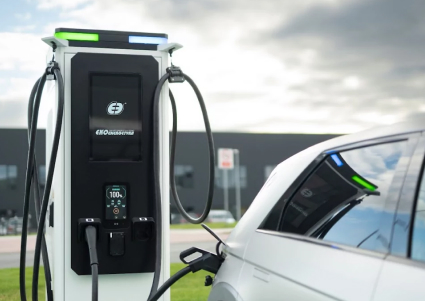
As electric vehicle adoption rises, the availability of public charging stations has become a major talking point. Urban areas are seeing a rapid increase in charging points, but rural regions still face challenges with accessibility. Fast-charging stations are helping reduce “range anxiety, ”allowing drivers to travel longer distances with confidence. However, limited infrastructure, charging speed, and compatibility between different vehicles remain hurdles.
Governments and private companies are working together to expand networks and introduce smart solutions like wireless and ultra-fast charging. Mobile apps and maps now make it easier for drivers to locate nearby stations, improving convenience. In the future, widespread charging facilities and renewable-powered stations will ensure EVs become as easy to refuel as traditional cars, making mass adoption more practical and sustainable.
Are EVs Really Green?
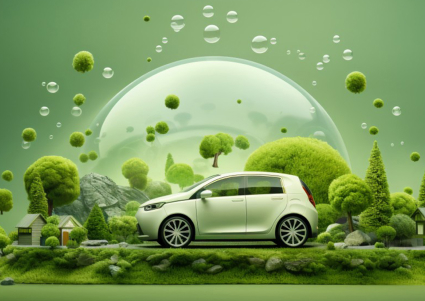
Electric vehicles are often celebrated as a greener alternative to petrol and diesel cars, but their true environmental impact deserves a closer look. While EVs produce zero tailpipe emissions, their manufacturing process, especially battery production, does contribute to carbon emissions.
However, when measured over the vehicle’s lifetime, EVs typically have a much lower carbon footprint compared to internal combustion engine cars. The real advantage comes when EVs are powered by renewable energy sources like solar or wind, drastically reducing their environmental impact. Recycling programs for batteries and improvements in sustainable mining practices are also helping to make EVs more eco-friendly. Overall, while EVs are not entirely “emission-free, ” they play a crucial role in reducing global dependence on fossil fuels and curbing climate change.
Buying Your First EV
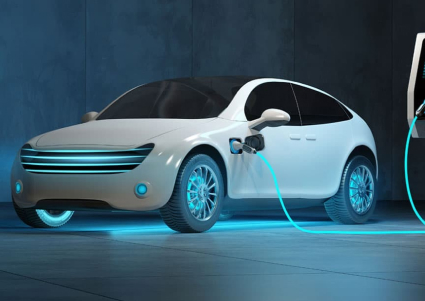
Purchasing your first electric vehicle can be exciting, but it’s important to make an informed decision. The first factor to consider is the driving range —choose a model that comfortably fits your daily commute and long distance needs. Second, evaluate your charging options, such as home charging setups or nearby public stations. Third, look into government incentives and subsidies that can lower the cost of ownership. Fourth, research the maintenance requirements and warranty coverage of the EV you are interested in. Lastly, compare different models for comfort, features, and long-term reliability. By considering these aspects, you can ensure that your EV purchase is not only eco-friendly but also practical, cost-effective, and suited to your lifestyle.
Cost of Owning an EV
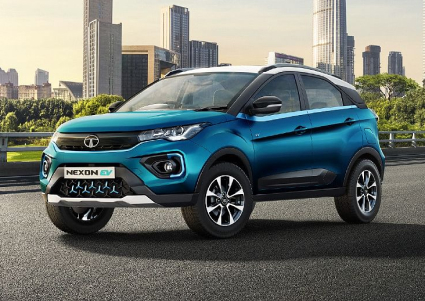
Many buyers hesitate to invest in electric vehicles due to higher upfront costs, but the long-term financial picture tells a different story.
EVs typically have lower running costs since electricity is cheaper than petrol or diesel, and maintenance expenses are significantly reduced due to fewer moving parts. Additionally, governments across the world offer attractive subsidies, tax rebates, and incentives to encourage EV adoption, further lowering costs.
Insurance and charging infrastructure are evolving, making ownership more convenient. On the other hand, battery replacement can be costly if required outside warranty, and resale value is still stabilizing as the market matures. Despite these considerations, EV ownership often results in substantial savings over the years, making it not just an eco-friendly choice but also a smart financial decision for many households.
Future of EV Vehicles
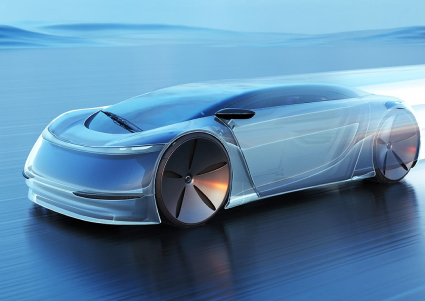
Battery technology is at the heart of electric vehicle (EV) innovation, and recent advancements are rapidly transforming the industry. From early lead-acid models to today’s lithium-ion batteries, improvements have made EVs more reliable, efficient, and accessible. Longer driving ranges, faster charging capabilities, and enhanced battery life are now becoming the norm. The next big leap is expected with solid-state batteries, which promise even greater energy density and quicker charging times.
These innovations will not only reduce costs but also make EVs more sustainable and user-friendly. As manufacturers invest heavily in research and development, consumers can look forward to EVs that rival traditional fuel-powered cars in performance and convenience. Ultimately, batteries are driving the shift toward cleaner, smarter, and more affordable mobility.