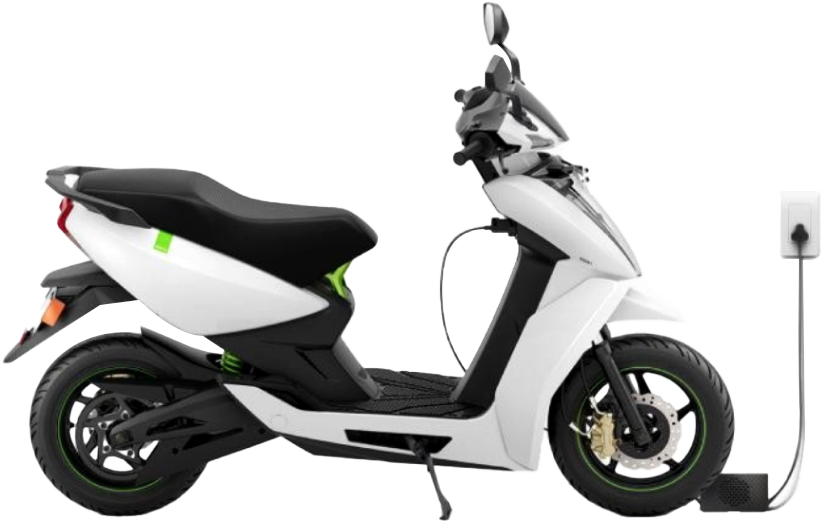
EV charging is typically divided into three levels: Level 1 uses a standard household outlet and is the slowest, Level 2 uses a dedicated charging unit at home or public stations for faster charging, and Level 3 (DC Fast Charging) provides the quickest option, ideal for long trips.
Charging time depends on the level and battery size. Level 1 can take 8–20 hours, Level 2 usually takes 4–8 hours, while Level 3 fast chargers can recharge most EVs up to 80% in just 30–60 minutes.
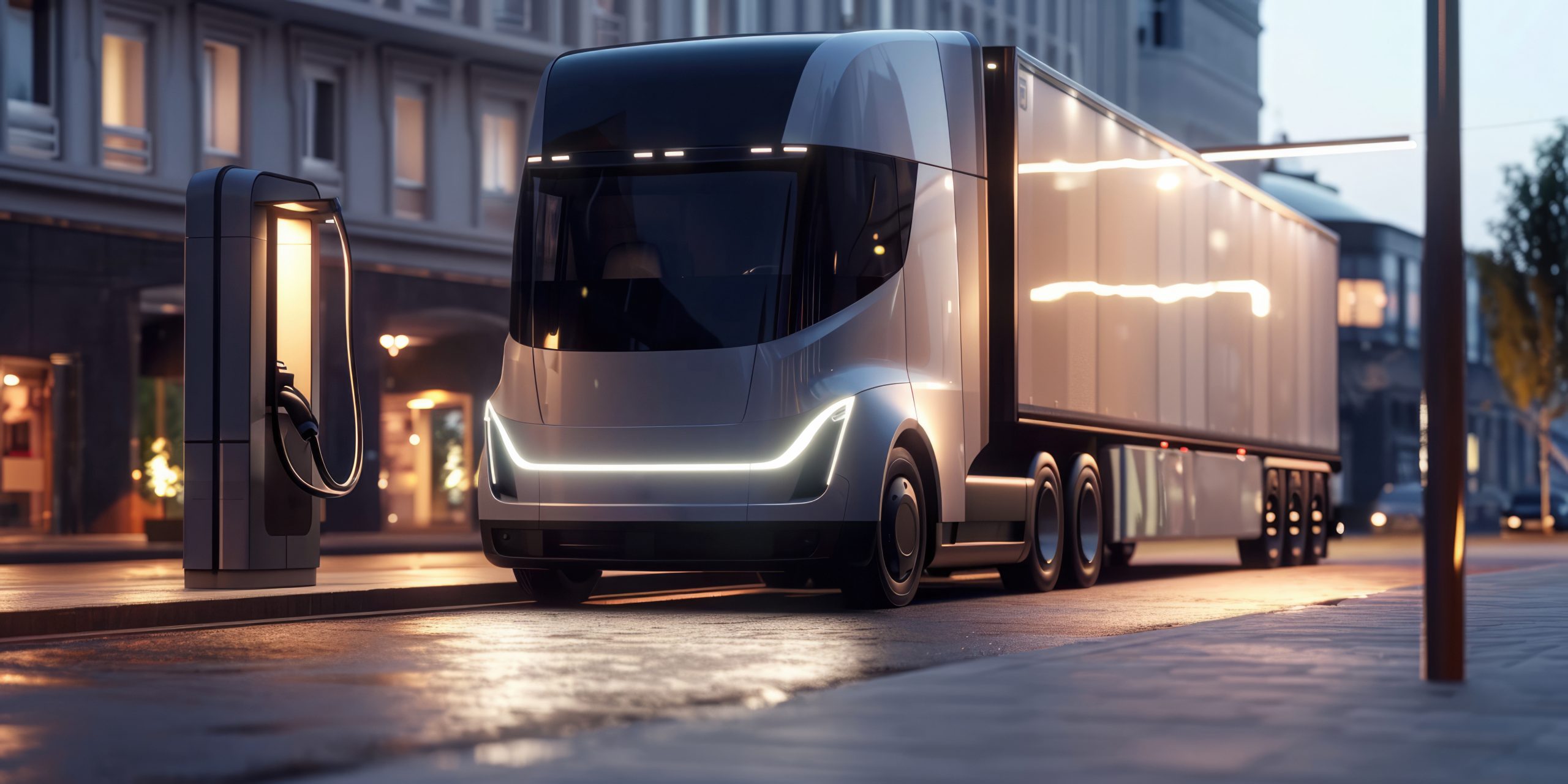
Public charging stations are widely available at malls, offices, highways, and parking areas, offering both Level 2 and Level 3 chargers to ensure convenient charging on the go.
Smart charging uses connected technology to optimize charging times, balance grid demand, and even allow scheduling during off-peak hours— making it efficient, eco-friendly, and cost-effective.
The cost of charging varies by location and electricity rates. Home charging is generally cheaper, while public fast charging may cost more but saves time. On average, EV charging is still significantly cheaper than fueling with petrol or diesel.
Most EV owners prefer home charging stations, as they allow overnight charging, convenience, and lower rates compared to public stations. Installing a Level 2 charger at home ensures faster and more reliable charging.